North Indian Classical Percussionist & Educator

Saradindu Adhikary

A highly accomplished tabla virtuoso, vocalist, and music director from Kolkata, India, dedicated to preserving and spreading the rich traditions of Indian classical music across the globe.

Performances
0 +
Students
0 +
Years Training
0 +

Biography

A Journey Shaped by Tradition

Born into a musical family in Kolkata, Saradindu began his vocal and tabla training at the age of four under the guidance of his father, Shri Gobardhan Adhikary. His journey was further enriched by more than fifteen years of rigorous training with the world-renowned tabla maestro, Pandit Tanmoy Bose.

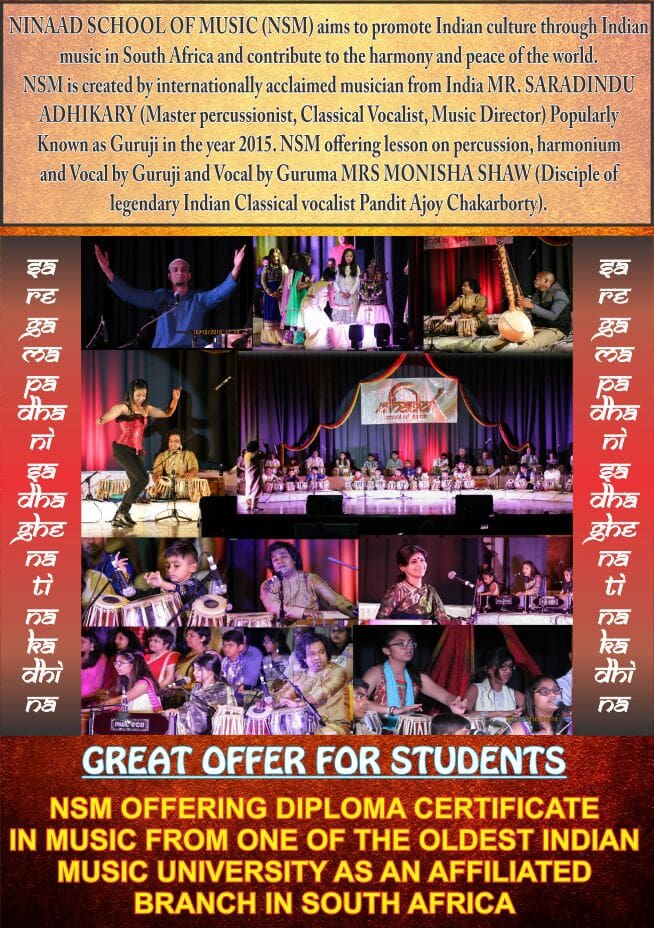
In 2002, he joined Shrutinandan, one of India's largest and most respected schools of Indian music, founded by the legendary vocalist Padma Bhushan Pandit Ajoy Chakraborty. He was not only honored to teach there but also privileged to receive advanced training under Pandit Chakraborty for over a decade.

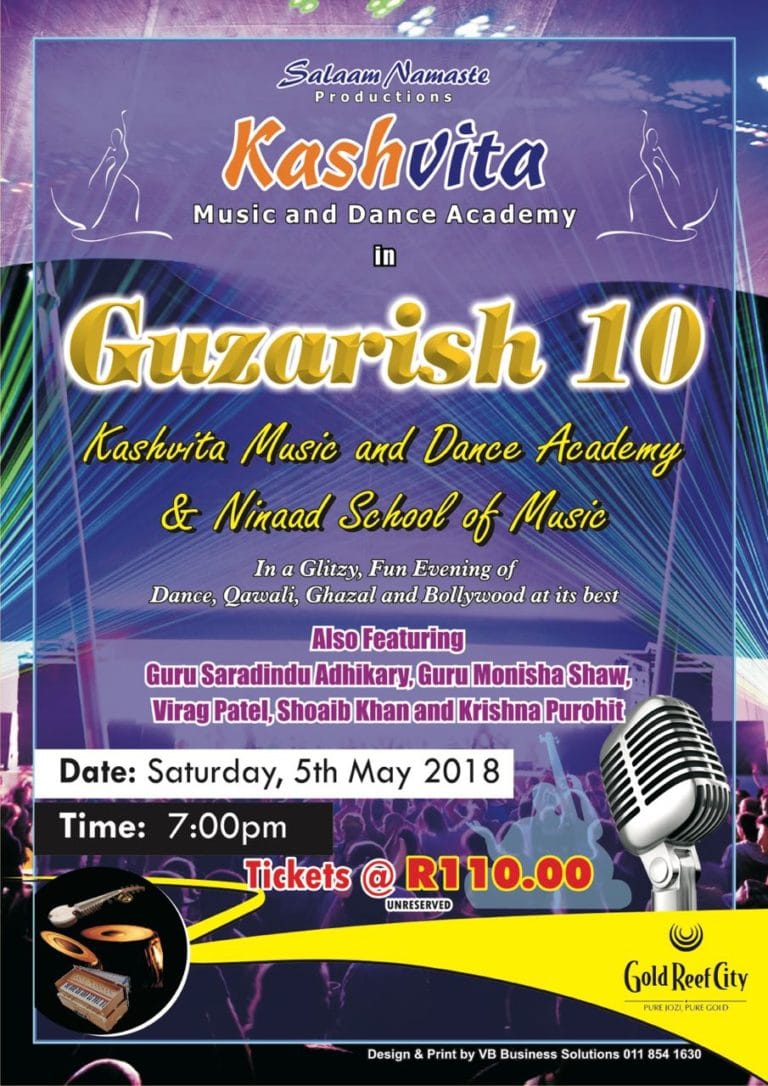
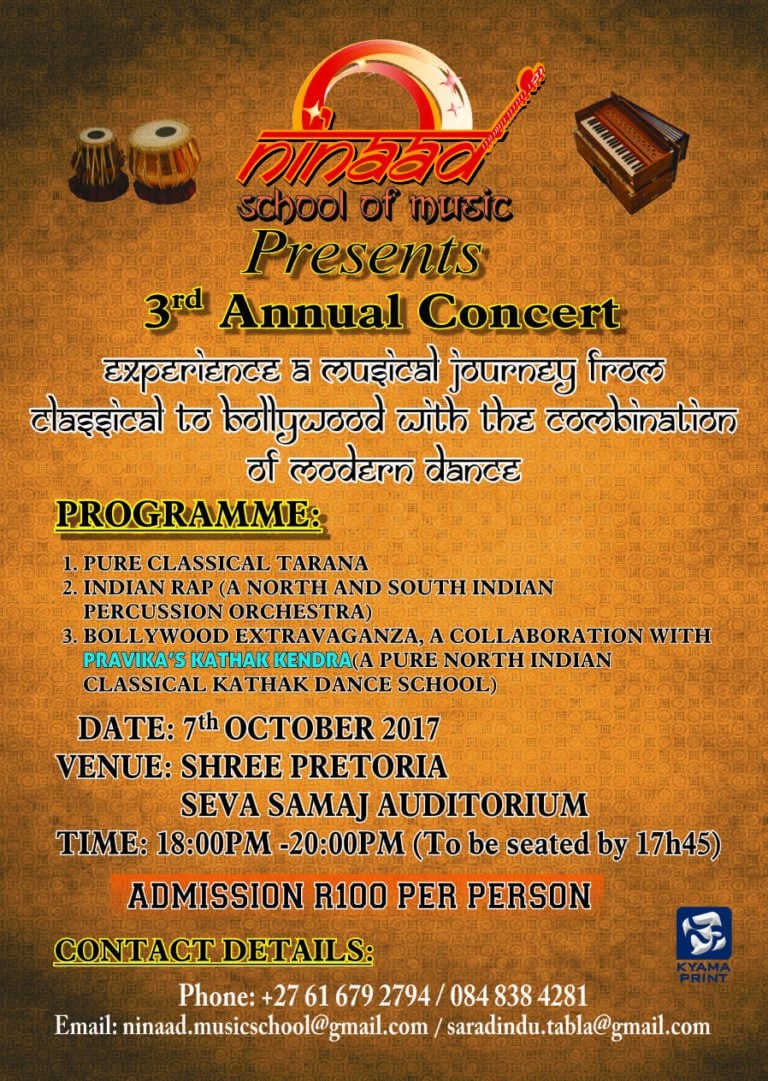
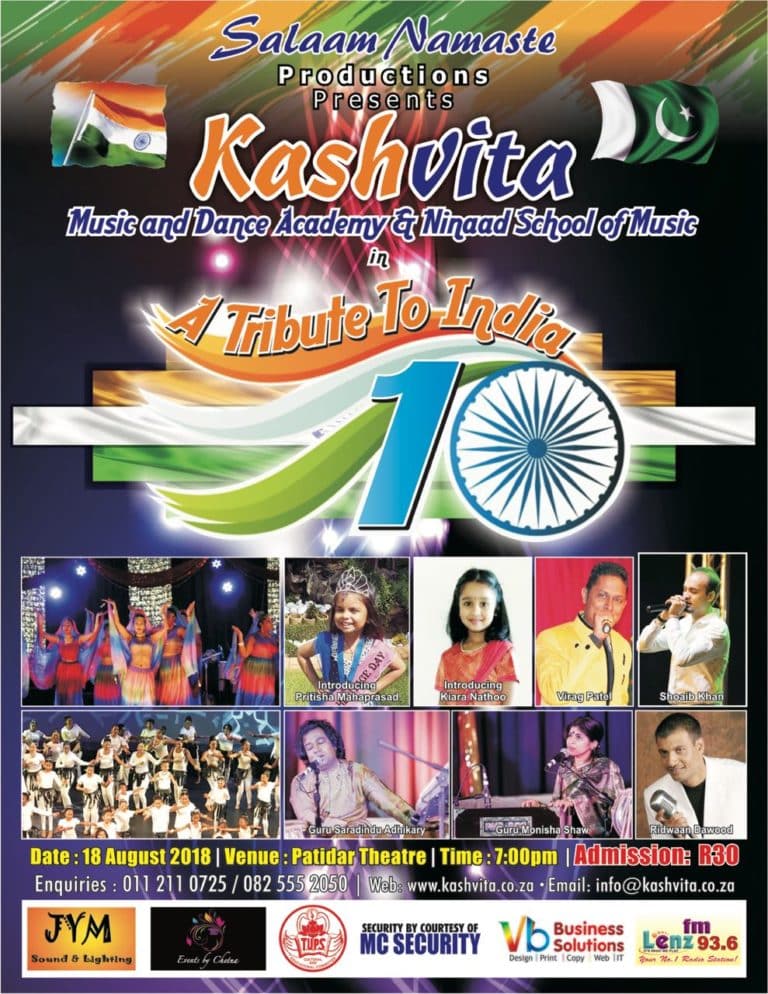
His dynamic stage presence and musical brilliance have earned him wide recognition and multiple accolades. Since 2004, he has traveled extensively across India and abroad, balancing his roles as a teacher, performer, and lecturer.

What We Teach

Comprehensive Programs in Indian Classical Music

Vocal Programs

Multiple genres, percussion, harmonium, theory—with diploma tracks
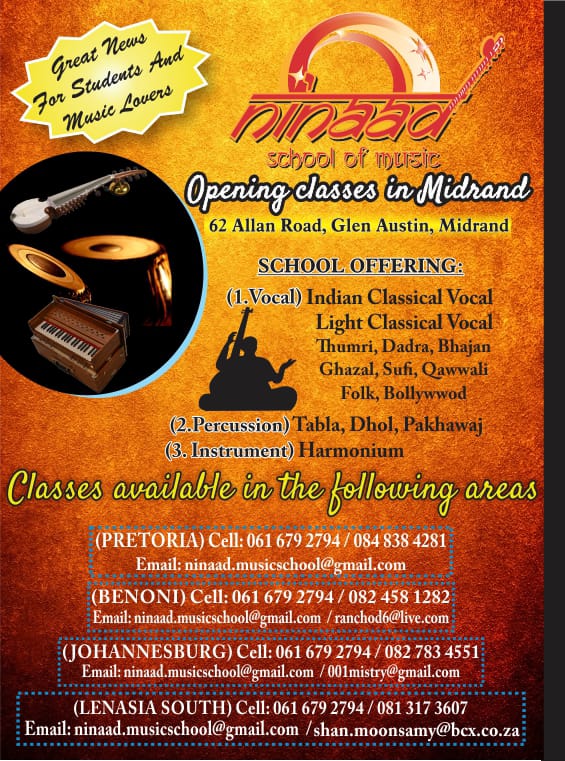
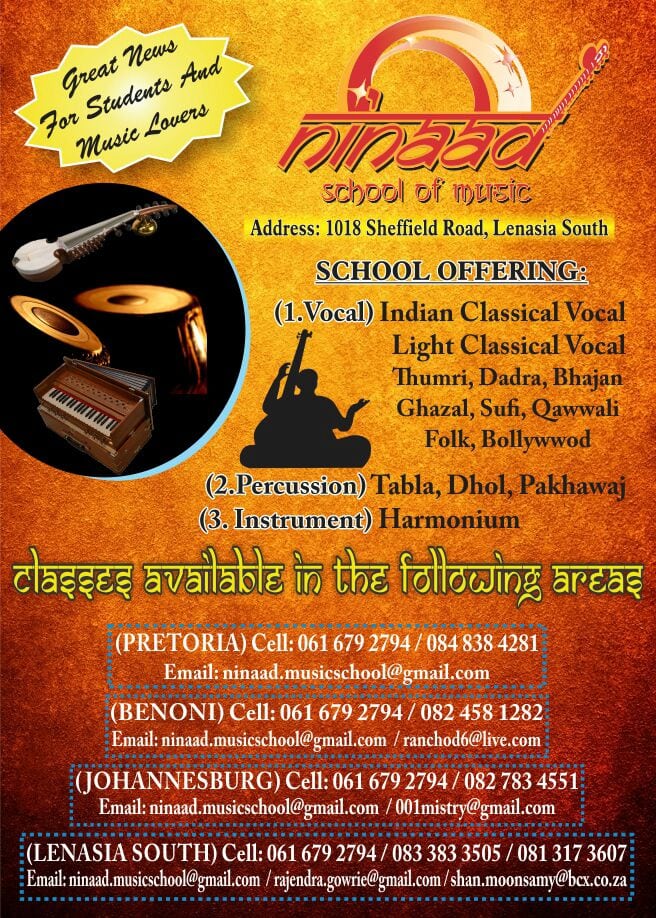
Indian Vocal Programs (Multiple Genres) Covers classical, semi-classical, devotional, folk, and light music traditions.

Key areas of learning

  • Classical (Hindustani): Raga structure & improvisation Alankars (patterns), alap, taan, gamakas, Khayal, Dhrupad, Tarana, Tillana
  • Semi-Classical: Thumri, Dadra, Chaiti, Kajri, Bhajan, Abhang
  • Light & Folk: Ghazal, film songs, folk songs from different regions
  • Voice Culture & Training: Breath control, voice projection, pitch accuracy, and expression
  • Performance Training: Stage presence, solo/group singing, microphone technique

Percussion Programs

Focused on traditional Indian rhythm instruments, mainly Tabla, Dholak, Pakhawaj, etc.

Key areas of learning

  • Fundamentals: Hand placement, bols (syllables), rhythm cycles (tala)

  • North Indian Tradition: Tabla compositions (peshkar, kaida, rela, tukda, paran)
  • Accompaniment Skills: Playing with vocalists, instrumentalists, and dancers 
  • Advanced Rhythmic Concepts: Layakari (tempo variations), cross-rhythms, Improvisation
  • Practical Application: Performing solos, accompanying bhajans, kirtans, and concerts

Harmonium Programs

Harmonium is central for accompaniment in Indian music.

Key areas of learning

  • Basic Skills: Finger techniques, scales, chords, shruti alignment
  • Raga Practice: Playing alap, bandish, and supporting vocalists
  • Accompaniment: Bhajans, ghazals, kirtans, light music, classical vocals
  • Improvisation: Harmonium lehra (cyclical melody) for tabla solo accompaniment
  • Advanced: Ornamentations, gamakas, meend (glides), advanced chord progressions

Theory Programs

Essential for a complete understanding of music.
Key areas of learning

  • Fundamentals of Music: Swaras (notes), shruti, saptak, taal, laya
  • Raga System: Classification, thaat system (Hindustani),
  • Tala System: Time cycles, clapping patterns, South & North Indian rhythmic structures
  • Compositional Forms: Bandish, Kriti, Varnam, Tillana, Tarana,
  • Notation Systems: Bhatkhande, Vishnu Digambar.
  • Music History & Aesthetics: Evolution of Indian music, major composers, gharanas, styles
  • Practical Integration: Understanding how theory supports performance.

What We Teach

Experience the Music

Featured Performances

Learning Resources

Technical Demonstrations

Press & Media

In the Spotlight

Recent Highlights

Featured in Print

Official Announcements

Upcoming & Past Events

Global Presence

Connecting Cultures Through Music

The programs have touched the lives of over 120 students across the globe, creating a vibrant international community of learners. From nurturing students in the cultural heartland of India to preserving traditions within diverse diaspora communities, the academy builds bridges between Indian traditions and multicultural audiences worldwide.


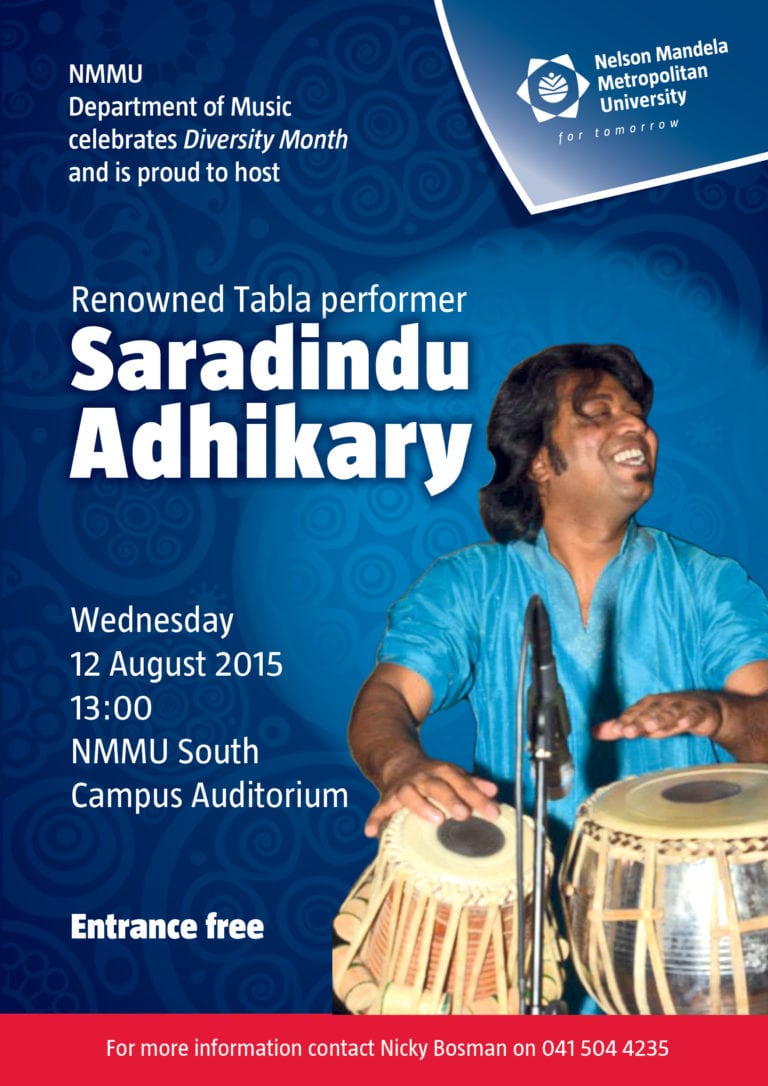
Guest lectures and demonstrations at prestigious institutions including Nelson Mandela Metropolitan University and Rhodes University. Contributions extend to music therapy and meditation programs.

India

Nurturing students in the cultural heartland of classical and folk traditions.

South Africa

Preserving and spreading Indian music within diverse diaspora communities.

Dubai

Preserving and spreading Indian music within diverse diaspora communities.
Canada

Encouraging second-generation learners to connect with their roots while also attracting global enthusiasts.
USA

Encouraging second-generation learners to connect with their roots while also attracting global enthusiasts.
Australia

Building bridges between Indian traditions and multicultural audiences.
New Zealand

Building bridges between Indian traditions and multicultural audiences.

Germany

Inspiring interest among Western students curious about Indian rhythm, melody, and improvisation.

France

Inspiring interest among Western students curious about Indian rhythm, melody, and improvisation.
Making a Difference

Impact Highlights

Cultural Preservation

Helping younger generations of the diaspora stay connected to Indian heritage through the timeless art of music.

Skill Development

Equipping students with performance skills, theoretical knowledge, and confidence for concerts and competitions.

Global Exchange

Promoting cross-cultural appreciation, where international students learn and adapt Indian musical styles.

Community Building

Creating a supportive global network of learners who share recordings, participate in virtual recitals, and celebrate festivals.

Individual Learning

Welcoming students of all age groups and backgrounds, proving that Indian music transcends boundaries.

Long-Term Influence

Some students have gone on to perform on stage locally and internationally

Many have become ambassadors of Indian music in their own communities, teaching and performing.

The reach across continents demonstrates music’s power to connect cultures, transcend geography, and inspire creativity.

Methodology

A Blended Approach to Learning

Group Learning

Collaborative environment where students learn together, gaining motivation and inspiration from peers.

01

Individual Learning

Collaborative environment where students learn together, gaining motivation and inspiration from peers.

02

Blended Model – Best of Both

Collaborative environment where students learn together, gaining motivation and inspiration from peers.

03

Recognition & Achievements

Awards & Certificates

Excellence in Music Education

2024

Outstanding Performer

2023

Cultural Ambassador Award

2023

Master Class Certification

2022

Distinguished Artist Award

2022

Global Music Fellowship

2021

Get in Touch

Let's Connect

Whether you're interested in learning classical music, booking a performance, or exploring collaboration opportunities, I'd love to hear from you.

Contact Details

Location

Kolkata, India

Follow Me

Professional Profile

Download my curriculum vitae to learn more about my training, performances, and teaching experience.

Privacy Policy Copyright © 2026 Ninaad School of Music
cross